Authentic Japanese Ramen Recipe
Highlighted under: Global Feast Collection
Experience the rich, umami flavors of this Authentic Japanese Ramen recipe, crafted to transport your taste buds straight to Japan. This satisfying dish features homemade broth, tender noodles, and an array of toppings like soft-boiled eggs and green onions, perfect for a comforting meal any day of the week. Elevate your culinary skills and impress your friends and family with this traditional favorite.
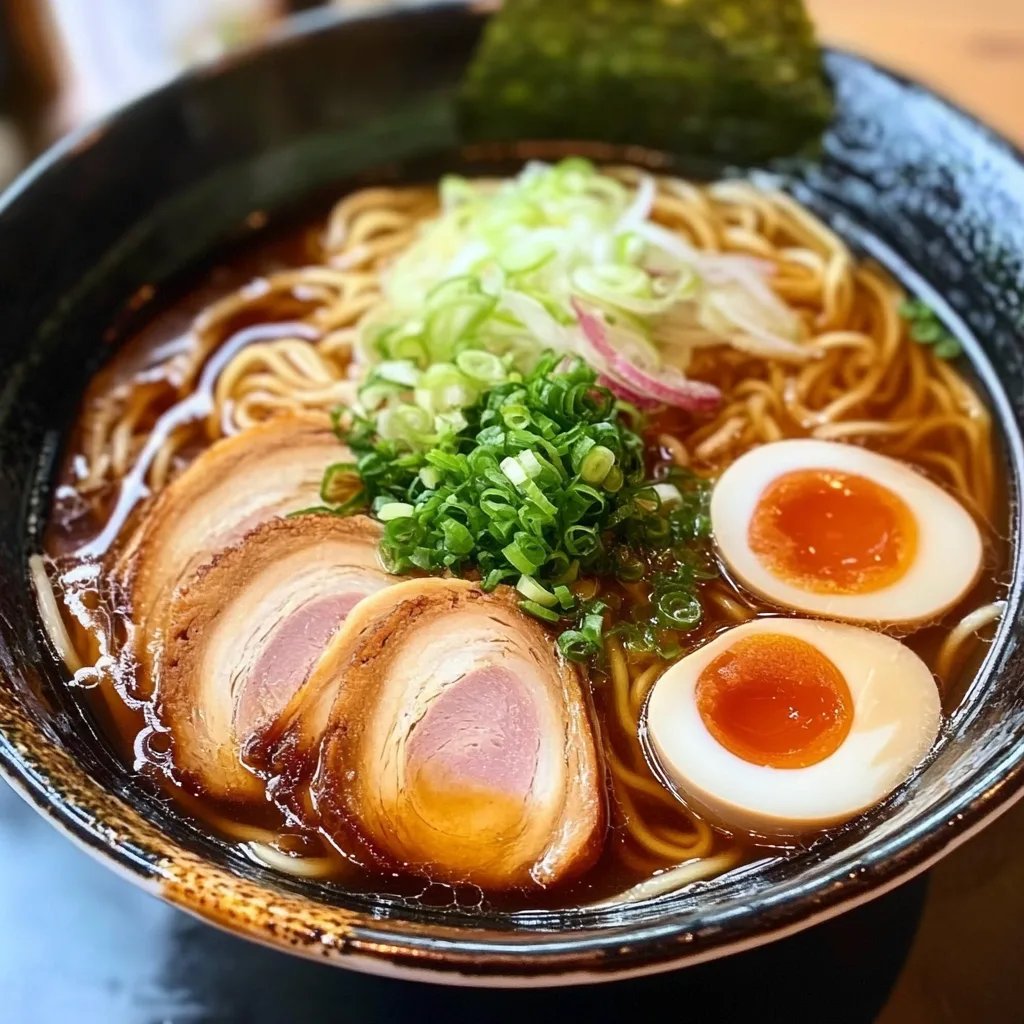
Ramen is more than just a noodle dish; it's a beloved cultural staple in Japan. This recipe guides you to create an authentic bowl of ramen, showcasing the careful preparation that goes into making it a favorite among food lovers.
Understanding Ramen Broth
The broth is the soul of any ramen dish, and achieving the perfect flavor is essential. Traditional ramen broth is often made using a combination of chicken and pork bones, simmered for several hours to extract maximum umami. In this recipe, we simplify the process with chicken broth while still achieving a rich, flavorful base. By adding aromatics such as onion, garlic, and ginger, you elevate the depth of flavor and create a comforting, savory experience that holds together the entire dish.
Simmering the broth for several hours allows the flavors to meld beautifully, creating a warming liquid that caresses the palate. The addition of soy sauce at the end gives a touch of salinity that enhances the umami profile of the dish. Feel free to experiment with your broth by adding other ingredients like mushrooms or miso for variations in flavor.
Choosing the Right Noodles
Ramen noodles are distinct in both texture and flavor, making them a crucial element in creating an authentic dish. These noodles are typically made with wheat flour, water, salt, and kansui, an alkaline mineral water, which gives ramen its unique chewy texture. When shopping for ramen, look for fresh or frozen noodles, as they provide a better bite compared to instant varieties.
Cooking the noodles to the right consistency is vital. You want them to be tender but with a firm bite, often referred to as 'al dente.' After cooking, tossing the noodles in a little vegetable oil helps keep them separated and prevents clumping, ensuring each bite is as delightful as the last.
Perfecting Your Toppings
Toppings are where your creativity can really shine in a ramen bowl. Soft-boiled eggs, often marinated in soy sauce for an extra burst of flavor, provide a rich, creamy contrast to the savory broth. Green onions add a fresh crunch, while nori (seaweed) complements the dish with its unique taste. Chashu pork, known for its tenderness and rich flavor, can be a labor of love but definitely elevates your ramen experience.
Feel free to add additional toppings, such as bamboo shoots or corn, to personalize your bowl. The beauty of ramen lies in its versatility, allowing you to cater to your taste preferences while still staying close to tradition. Each topping adds a new layer of texture and flavor, making your ramen bowl a feast for the senses.
Ingredients
Gather the following ingredients to make your ramen from scratch:
Broth Ingredients
- 4 cups chicken broth
- 2 cups water
- 1 onion, halved
- 3 garlic cloves, smashed
- 1 piece ginger, sliced
- Soy sauce to taste
Noodle Ingredients
- 4 servings ramen noodles
- 2 tablespoons vegetable oil
Toppings
- 2 soft-boiled eggs
- Green onions, sliced
- Nori (seaweed)
- Chashu pork, sliced
Make sure to have all ingredients prepared before starting the cooking process.
Instructions
Follow these steps for a delicious homemade ramen experience:
Prepare the Broth
In a large pot, combine chicken broth, water, onion, garlic, and ginger. Bring to a boil, then reduce heat and simmer for at least 2 hours. Strain the broth and add soy sauce to taste.
Cook the Noodles
In another pot, cook the ramen noodles according to package instructions. Drain and toss with vegetable oil to prevent sticking.
Assemble the Ramen Bowl
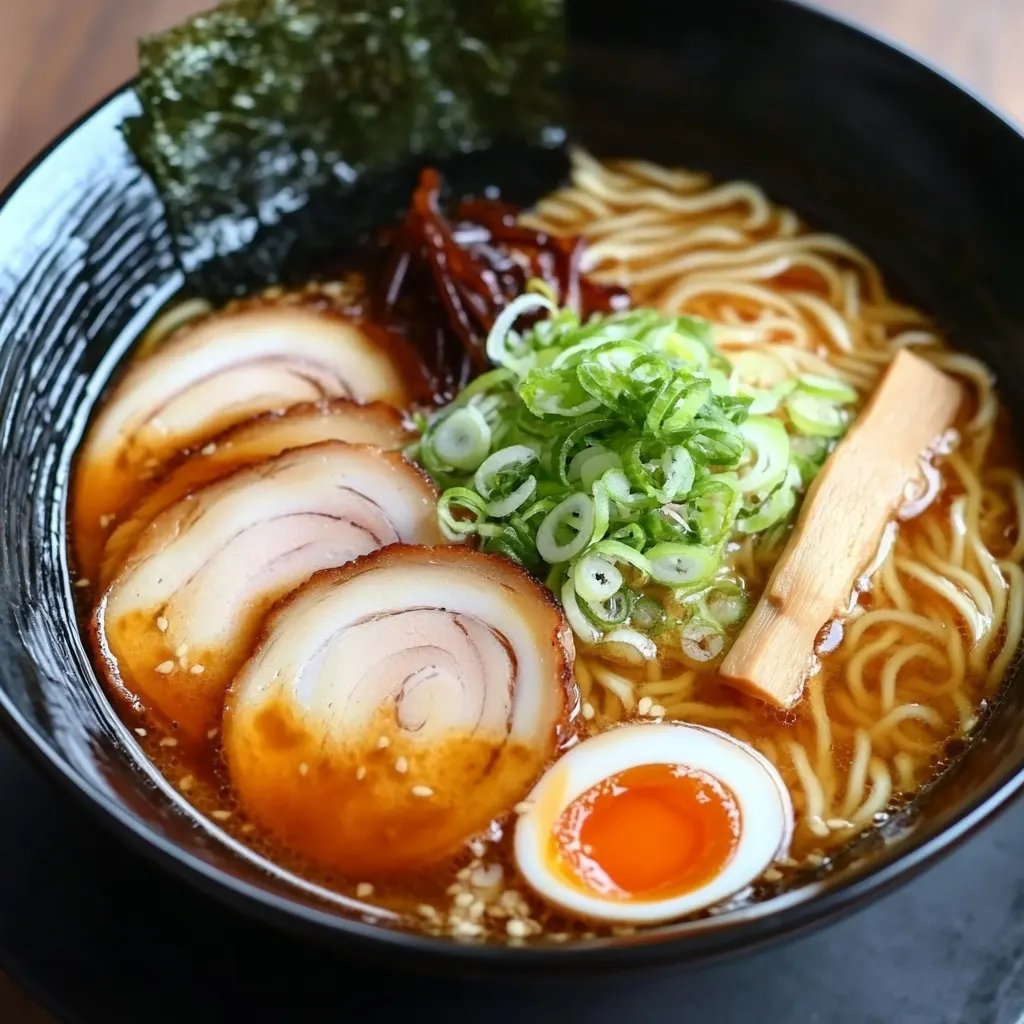
In a bowl, place a serving of noodles, pour over the hot broth, and top with soft-boiled eggs, green onions, nori, and slices of chashu pork.
Enjoy your homemade ramen steaming hot, garnished to your liking.
Pro Tips
- For an extra depth of flavor, consider adding miso paste or a dash of sesame oil to the broth.
Tips for Enhancing Flavor
For a deeper flavor profile, consider roasting your aromatics before adding them to the broth. This caramelization imparts a unique sweetness that balances the savory components. Additionally, experimenting with different types of soy sauce, such as dark or light varieties, can change the overall taste and richness of your broth.
Another pro tip is to keep adding small amounts of soy sauce during the cooking process to adjust the saltiness to your liking. Always taste as you go to strike the right balance, especially if you're planning to add toppings that may alter the flavor, like salty chashu or pickled vegetables.
Storing and Reheating Ramen
If you have leftovers, storing ramen the right way can make all the difference. Keep the broth separate from the noodles and toppings to maintain the texture of each component. Store them in airtight containers in the refrigerator for up to three days. When reheating, bring the broth to a simmer before adding the noodles to prevent them from becoming mushy.
Reheating the toppings separately allows you to keep their textures intact, ensuring your ramen maintains its delicious appeal. If you have any uncooked toppings, consider preparing them fresh to serve with your reheated ramen for the best possible flavor experience.
Exploring Ramen Variations
Ramen is a beautiful canvas for culinary exploration. While this recipe offers a classic approach, feel free to experiment with different broths, such as tonkotsu (pork bone) or shoyu (soy sauce). Each style has its unique characteristics and pairs well with various toppings.
Additionally, consider regional ramen styles from Japan, like spicy miso ramen or shio (salt) ramen, to diversify your culinary repertoire. By exploring these differences, you can adapt this basic recipe to create countless variations, keeping your ramen meals exciting and full of flavor.
Questions About Recipes
→ Can I make the broth in advance?
Yes, you can make the broth a day ahead of time and store it in the refrigerator.
→ What if I can't find ramen noodles?
Substitute with any other types of noodles, although the texture may differ slightly.
Authentic Japanese Ramen Recipe
Created by: Charity Bowen
Recipe Type: Global Feast Collection
Skill Level: Intermediate
Final Quantity: 4 servings
What You'll Need
Broth Ingredients
- 4 cups chicken broth
- 2 cups water
- 1 onion, halved
- 3 garlic cloves, smashed
- 1 piece ginger, sliced
- Soy sauce to taste
Noodle Ingredients
- 4 servings ramen noodles
- 2 tablespoons vegetable oil
Toppings
- 2 soft-boiled eggs
- Green onions, sliced
- Nori (seaweed)
- Chashu pork, sliced
How-To Steps
In a large pot, combine chicken broth, water, onion, garlic, and ginger. Bring to a boil, then reduce heat and simmer for at least 2 hours. Strain the broth and add soy sauce to taste.
In another pot, cook the ramen noodles according to package instructions. Drain and toss with vegetable oil to prevent sticking.
In a bowl, place a serving of noodles, pour over the hot broth, and top with soft-boiled eggs, green onions, nori, and slices of chashu pork.
Extra Tips
- For an extra depth of flavor, consider adding miso paste or a dash of sesame oil to the broth.
Nutritional Breakdown (Per Serving)
- Calories: 600
- Protein: 25g
- Carbohydrates: 80g
- Fat: 20g