Korean Soups and Stews
Highlighted under: Global Feast Collection
Explore the rich and comforting world of Korean soups and stews, perfect for warming your soul on chilly days.
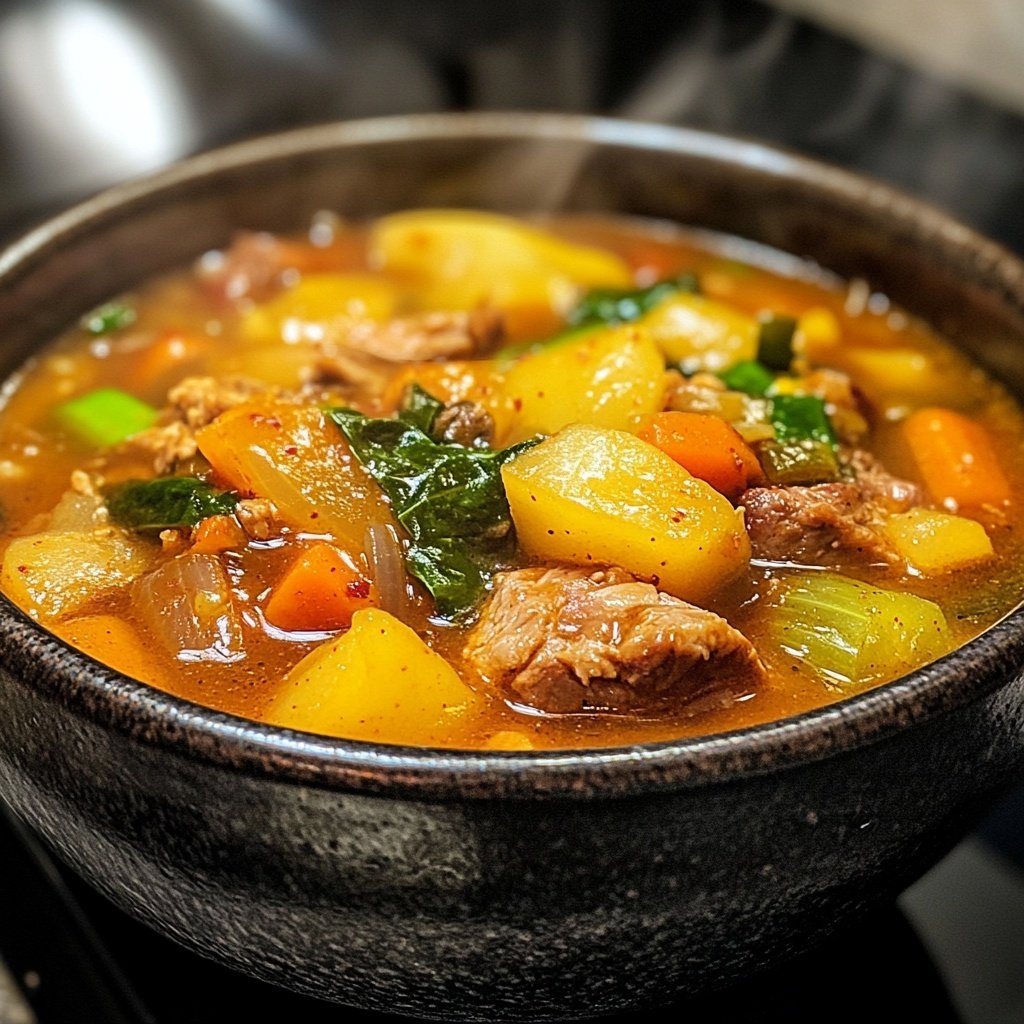
Korean soups and stews are not just meals; they are a celebration of flavors, textures, and warmth. From the spicy kick of kimchi jjigae to the hearty comfort of doenjang jjigae, these dishes bring families together and create lasting memories.
Why You'll Love This Recipe
- A delightful blend of spices and fresh ingredients
- Comforting and satisfying, perfect for any season
- Great for meal prep and leftovers, flavors deepen over time
The Heart of Korean Cuisine
Korean cuisine is renowned for its bold flavors and intricate balance of ingredients. At the core of this culinary tradition are soups and stews, which not only offer warmth but also reflect the country’s rich history and cultural diversity. These comforting dishes are often enjoyed as part of a communal meal, bringing friends and family together around the table. With their unique blend of spices, fermented foods, and fresh vegetables, Korean soups and stews are a delightful way to experience the essence of this vibrant cuisine.
The use of kimchi in dishes like Kimchi Jjigae showcases the importance of fermentation in Korean cooking. This process not only enhances the flavors but also offers numerous health benefits, including improved digestion and immune support. The combination of spicy, savory, and umami notes creates a complex yet comforting experience that is both satisfying and nourishing. Whether you're new to Korean food or a seasoned enthusiast, these soups and stews are a must-try.
Cooking Techniques and Tips
When preparing Korean soups and stews, it's essential to understand the cooking techniques that will bring out the best flavors. Start by sautéing your proteins and aromatics, as this step creates a flavorful base for the dish. The Maillard reaction that occurs during browning adds depth and richness to the final product. Don't rush this process; take your time to develop those essential flavors before adding the liquids.
Another key tip is to let your dishes simmer for an adequate amount of time. This allows the ingredients to meld together, resulting in a harmonious flavor profile. For stews, the longer they cook, the more the flavors will deepen. Feel free to adjust the spice levels to your preference, especially if you're experimenting with ingredients like gochugaru or doenjang. Making these soups and stews your own is part of the joy of cooking.
Serving and Enjoying Your Dish
Korean soups and stews are often served with a side of rice, which helps balance the flavors and adds a satisfying texture to the meal. When plating, consider adding fresh herbs or additional green onions as a garnish for a burst of color and flavor. This not only enhances the presentation but also elevates the overall dining experience.
These dishes are perfect for sharing, making them ideal for gatherings and family dinners. Leftovers can be stored in the refrigerator and are known to taste even better the next day as the flavors continue to develop. Whether you're enjoying a cozy night in or hosting a dinner party, Korean soups and stews are sure to impress and satisfy your guests.
Ingredients
Gather all the ingredients before you start cooking to make the process smoother.
For Kimchi Jjigae
- 1 cup of kimchi, chopped
- 200g pork belly, sliced
- 1 onion, sliced
- 2 green onions, chopped
- 2 cloves garlic, minced
- 1 tablespoon gochugaru (Korean chili powder)
- 4 cups water or broth
- 1 block of tofu, diced
For Doenjang Jjigae
- 2 tablespoons doenjang (Korean soybean paste)
- 1 zucchini, sliced
- 1 potato, diced
- 100g mushrooms, sliced
- 1 tablespoon soy sauce
- 4 cups water or broth
- 2 green onions, chopped
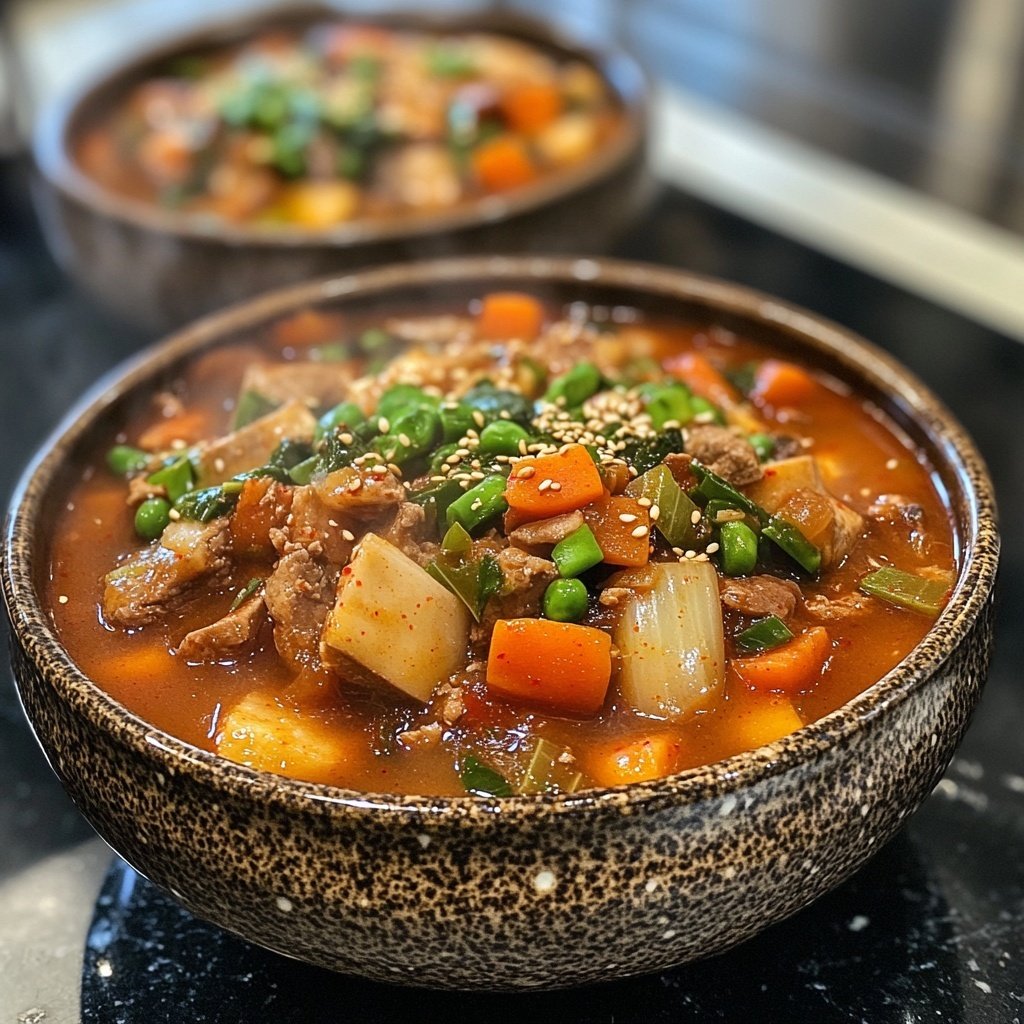
Once you have everything ready, you're all set to start cooking!
Instructions
Follow these steps to create delicious Korean soups and stews.
Prepare the Ingredients
Chop, slice, and dice all the vegetables and proteins as listed in the ingredients.
Cook the Kimchi Jjigae
In a pot, sauté the pork belly until browned. Add onions and garlic, cooking until fragrant. Stir in the kimchi and gochugaru, then pour in the water or broth. Bring to a boil and simmer for 20 minutes. Add tofu and green onions just before serving.
Cook the Doenjang Jjigae
In another pot, combine water or broth with doenjang and bring to a simmer. Add potatoes and zucchini, cooking for 10 minutes. Stir in mushrooms and soy sauce, cooking until all vegetables are tender. Finish with green onions.
Serve hot and enjoy the wonderful flavors of Korean cuisine!
Pro Tips
- For a more intense flavor, let the soups simmer longer. Adjust seasoning to taste.
Health Benefits of Korean Soups
Korean soups and stews are not just delicious; they also offer a range of health benefits. Ingredients like kimchi are packed with probiotics, which promote gut health and boost the immune system. The variety of vegetables used in these recipes adds essential vitamins and minerals, making each bowl a nutritious choice. Additionally, the use of lean proteins like pork and tofu contributes to a balanced diet, providing your body with the fuel it needs to thrive.
Another benefit of these hearty dishes is their warming nature, especially during colder months. The spices used, such as gochugaru, can help increase circulation and provide a comforting warmth, making them especially appealing in winter. Enjoying a bowl of Korean soup can be a soothing ritual, combining comfort food with health-conscious ingredients.
Customizing Your Recipes
One of the most enjoyable aspects of cooking Korean soups and stews is the ability to customize them to suit your taste and dietary preferences. Feel free to swap out proteins or vegetables based on what you have on hand. For instance, if you prefer chicken over pork, simply substitute it in the Kimchi Jjigae. Likewise, if you're vegetarian, you can create a delightful version of Doenjang Jjigae using only vegetables and tofu.
Experimenting with different seasonings can also lead to exciting new flavors. Consider adding ingredients like sesame oil for a nutty aroma or a dash of fish sauce for an extra umami kick. The flexibility of these recipes allows you to create a dish that reflects your unique palate while still honoring the traditional essence of Korean cuisine.
Questions About Recipes
→ Can I use other proteins in these soups?
Absolutely! Chicken, beef, or even seafood can be great substitutes.
→ How spicy are these dishes?
The spice level can be adjusted by varying the amount of gochugaru or kimchi used.
→ Can I make these soups vegetarian?
Yes! Use vegetable broth and omit meat for a delicious vegetarian option.
→ How long do leftovers last?
Leftovers can be stored in the refrigerator for up to 3 days. The flavors will deepen over time!
Korean Soups and Stews
Created by: Charity Bowen
Recipe Type: Global Feast Collection
Skill Level: Intermediate
Final Quantity: 4 servings
What You'll Need
For Kimchi Jjigae
- 1 cup of kimchi, chopped
- 200g pork belly, sliced
- 1 onion, sliced
- 2 green onions, chopped
- 2 cloves garlic, minced
- 1 tablespoon gochugaru (Korean chili powder)
- 4 cups water or broth
- 1 block of tofu, diced
For Doenjang Jjigae
- 2 tablespoons doenjang (Korean soybean paste)
- 1 zucchini, sliced
- 1 potato, diced
- 100g mushrooms, sliced
- 1 tablespoon soy sauce
- 4 cups water or broth
- 2 green onions, chopped
How-To Steps
Chop, slice, and dice all the vegetables and proteins as listed in the ingredients.
In a pot, sauté the pork belly until browned. Add onions and garlic, cooking until fragrant. Stir in the kimchi and gochugaru, then pour in the water or broth. Bring to a boil and simmer for 20 minutes. Add tofu and green onions just before serving.
In another pot, combine water or broth with doenjang and bring to a simmer. Add potatoes and zucchini, cooking for 10 minutes. Stir in mushrooms and soy sauce, cooking until all vegetables are tender. Finish with green onions.
Extra Tips
- For a more intense flavor, let the soups simmer longer. Adjust seasoning to taste.
Nutritional Breakdown (Per Serving)
- Calories: 320 kcal
- Total Fat: 18g
- Saturated Fat: 6g
- Cholesterol: 70mg
- Sodium: 900mg
- Total Carbohydrates: 25g
- Dietary Fiber: 4g
- Sugars: 5g
- Protein: 15g